
Innovative Teaching-Learning Ideas for Handwriting Skills
Handwriting is not just about writing neatly. It is a skill that involves fine motor development, hand-eye coordination, concentration, pencil grip, posture, spacing, letter formation, writing speed and confidence. Therefore, I believe handwriting should be taught in an interesting, interactive and skill-based way.
In my experience as a handwriting trainer, children learn better when they are given opportunities to observe, understand, practise and improve, rather than simply copying letters repeatedly.
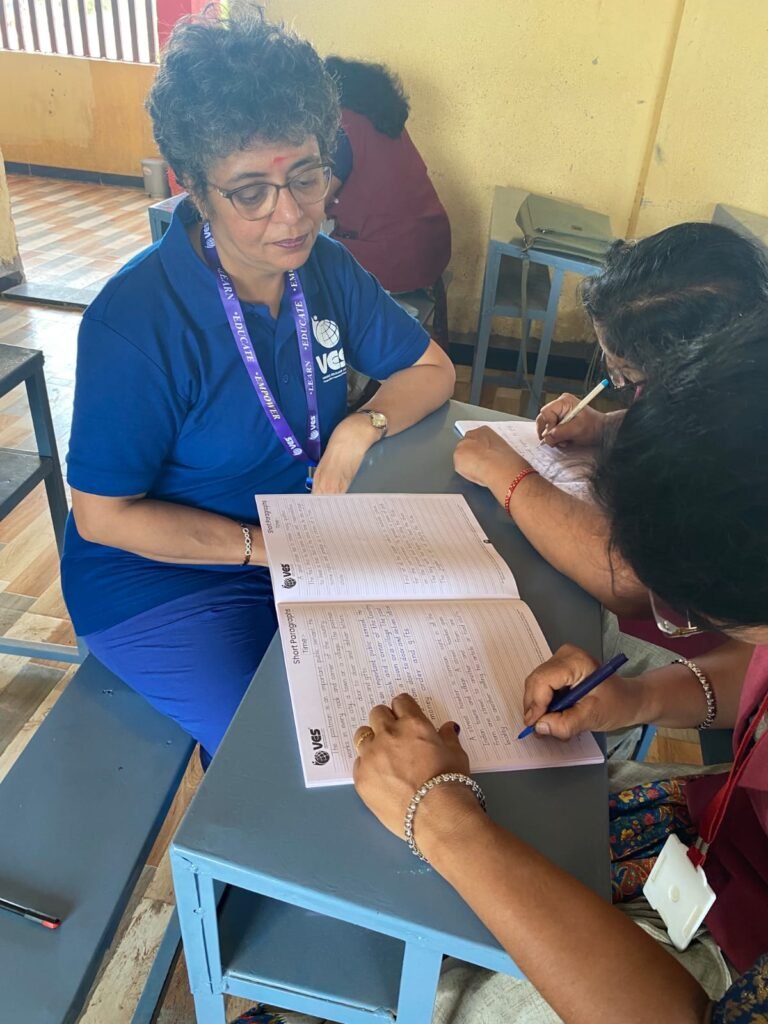
One effective approach is demonstration-based learning. I first demonstrate the correct pencil grip, posture, strokes and letter formation, and then allow children to practise. While they practise, I observe their movements and provide individual feedback.
Multisensory activities can make handwriting practice more enjoyable. Sand tracing, air writing, finger tracing, clay, textured surfaces, flashcards and colourful worksheets can help children understand letter formation through different senses.
Games and challenges can also turn handwriting practice into an enjoyable learning experience. Activities such as spacing challenges, letter-formation games, word-building and “find the mistake” exercises encourage children to practise without feeling pressured.
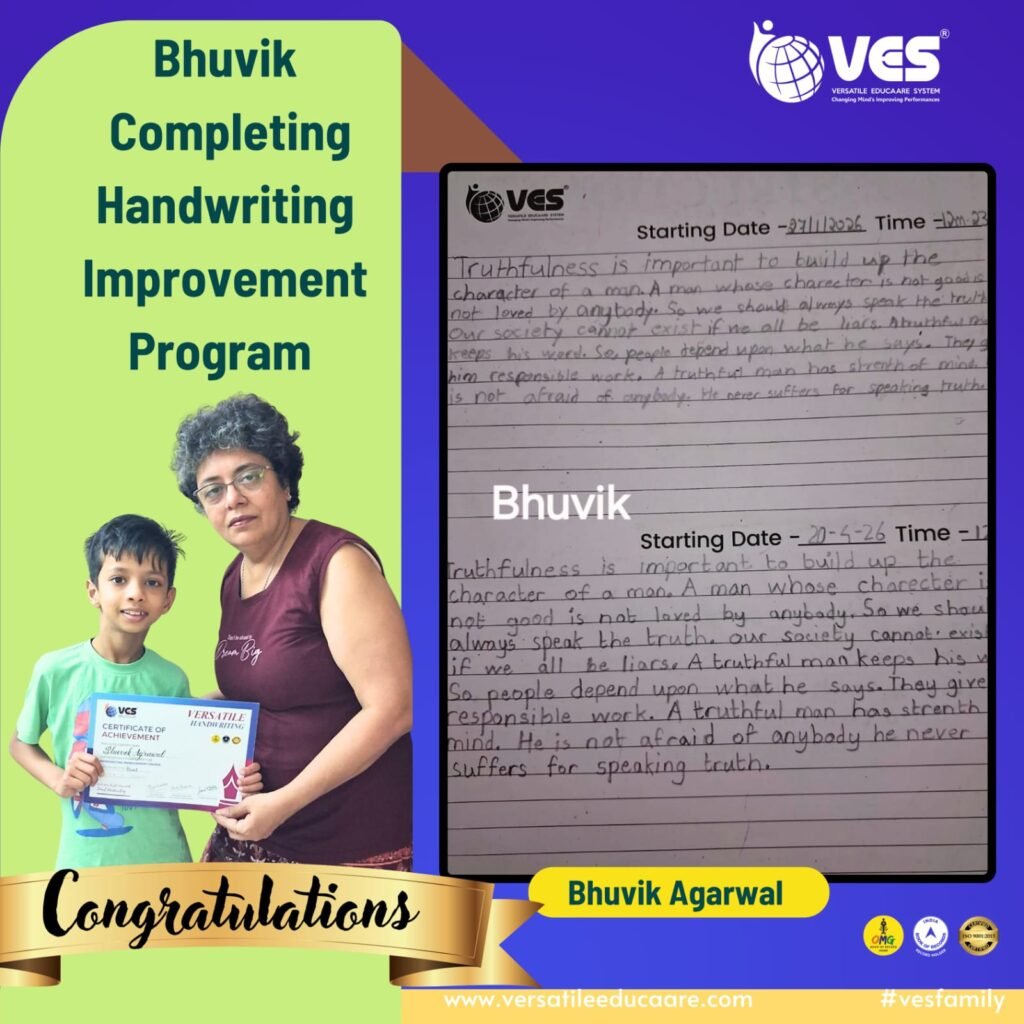
I also believe in keeping before-and-after writing samples. When children see their own improvement, they develop confidence and motivation. A handwriting portfolio can help teachers, parents and students track progress over time.
Most importantly, every child is different. One child may struggle with pencil grip, another with spacing, size, slant or speed. Therefore, identifying the individual difficulty and providing appropriate practice is essential.
For me, innovative handwriting teaching follows a simple process
Observe → Identify → Demonstrate → Practise → Feedback → Improve
The objective is not only beautiful handwriting. It is to develop confidence, concentration, coordination and a positive attitude towards writing.
When handwriting learning becomes enjoyable and purposeful, children don’t just improve their writing—they also develop skills that support their overall learning journey
By Sonal Karia